1. What Microsoft actually reported
On July 29, 2026, Microsoft reported its fiscal fourth quarter for the three months ended June 30. Revenue was $90.0 billion, up 18%, and operating income was $40.6 billion. Full-year FY2026 revenue reached $331.8 billion and operating income reached $155.2 billion. These are period results, not market forecasts.
Intelligent Cloud revenue was $39.3 billion, while Azure and other cloud-services revenue grew 43%. Management said annual Azure revenue surpassed $100 billion for the first time. Microsoft does not disclose absolute quarterly Azure revenue, so the published growth rate should not be converted into an invented sales figure.
2. The $41 billion clue: a digital factory
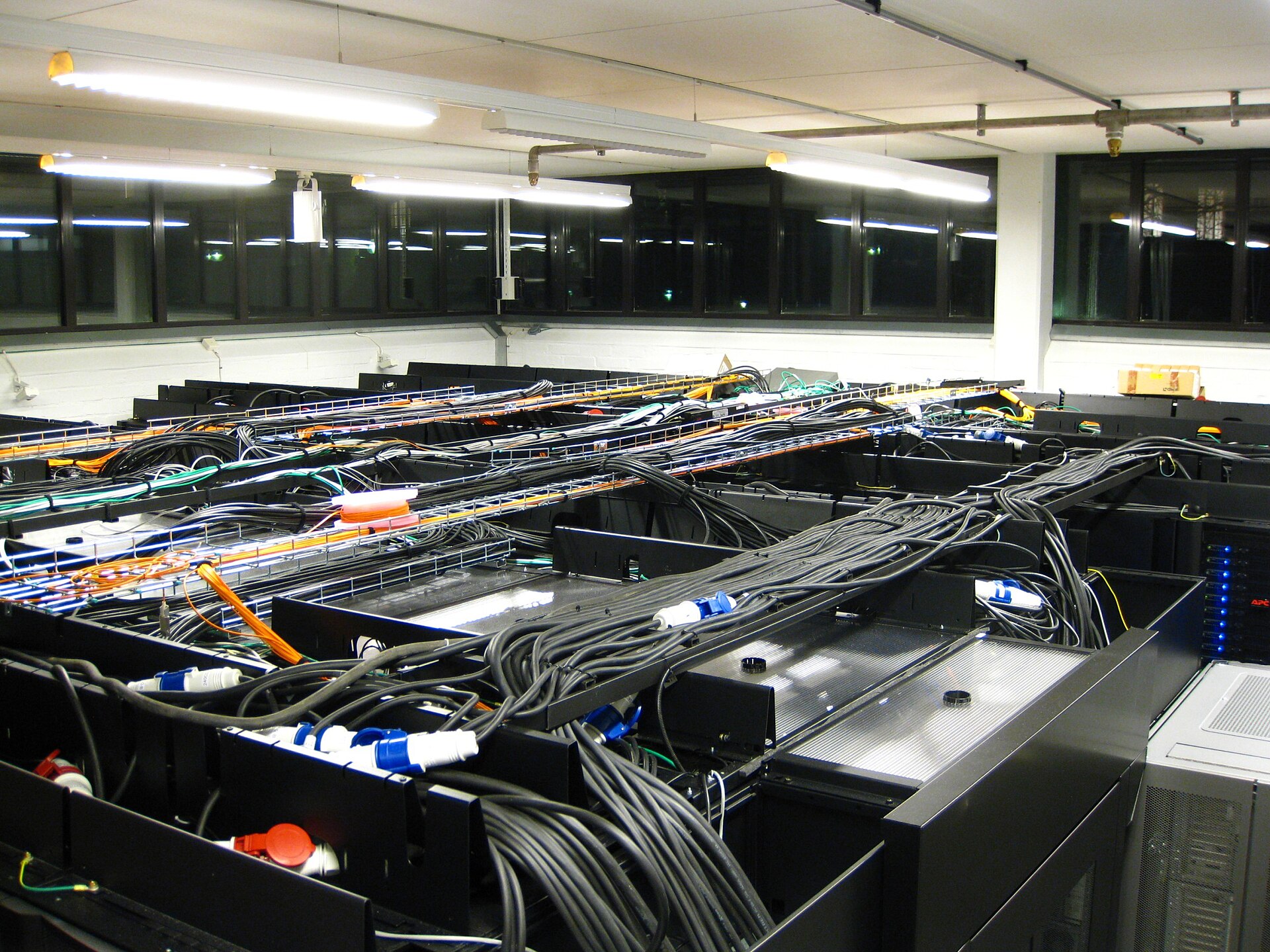
CFO Amy Hood said quarterly capital expenditure was $41 billion. Roughly two thirds went to short-lived assets, primarily CPUs and GPUs; the balance went to long-lived assets. Finance leases were $5.6 billion, mostly for large datacenter sites, while cash paid for property and equipment was $35.8 billion.
Accelerators can lose economic value quickly as newer generations improve throughput and performance per watt. Growth requires a continuing refresh cycle, not a one-time build. Microsoft said it added one gigawatt of capacity and 31 datacenters across five continents in the quarter, taking the fiscal-year addition to 88. Those are reported additions; future capacity plans remain forward-looking.
3. Demand is visible—but commitments are not revenue
Commercial remaining performance obligation, or RPO, reached $678 billion, up 84%. It is contracted revenue not yet recognized, including deferred amounts and future billings. The weighted-average duration was 2.3 years and about 30% is expected to be recognized over the next twelve months.
RPO is neither current revenue nor cash. Recognition depends on delivery, usage and terms. Excluding OpenAI, RPO grew 25%, and Microsoft said all sequential growth came from customers outside frontier-model companies. That is meaningful diversification, but it does not make the entire balance immediately collectible.
4. Copilot monetization meets the margin test
Paid Microsoft 365 Copilot seats exceeded 30 million and net paid-seat additions more than doubled sequentially. Paid seats are a stronger signal than trials, but plan mix, revenue per seat and sustained usage were not disclosed.
Microsoft Cloud gross margin fell to 65% from 68% a year earlier despite efficiency gains, reflecting Azure mix, infrastructure investment and rising usage. The test is whether inference and agent costs decline fast enough for consumption to expand without lasting margin compression. Selling a seat begins monetization; it does not complete the ROI case.
5. Separate operations from investment gains
GAAP net income was $35.8 billion, up 31%. The release shows that OpenAI investments added a net $480 million to quarterly net income, while management identified a $3.2 billion gain on Anthropic among discrete items affecting the comparison with guidance.
Operating income still rose 18%, so operating strength is real. But earnings quality requires separating cloud and software from investment revaluation. Operating cash flow was $55.4 billion and free cash flow was $19.6 billion after higher capex. The gap is the cash cost of turning demand into usable compute.
6. The buyer and investor playbook
Buyers should measure completed-workflow cost, data location, minimum commitments, multi-model support and portability—not model rank alone. Microsoft said the number of customers building with models from multiple providers increased fivefold since the start of 2026. Sovereign builders should distinguish capacity that is announced, contracted, financed, built, energized and used.
This analysis does not display a share price; delayed quotes should not be presented as live. The durable gauges are Azure growth, cloud margin, capex and free cash flow. From FY2027, Microsoft will extend estimated datacenter and office-building lives from 15 to 25 years. More leases will shift classification, changing reported capex presentation without changing the underlying investment plan.
- Track completed outcomes, not token price alone.
- Test model, data and agent-log portability before long commitments.
- Link reserved capacity to measurable utilization.
- Model hardware refresh and energy cost from the start.
- Treat announced and operating capacity as different facts.